Why Temperament Matters as Much as Talent
Athletic ability is only part of the picture. Rideability and a horse's character shape the long-term partnership.
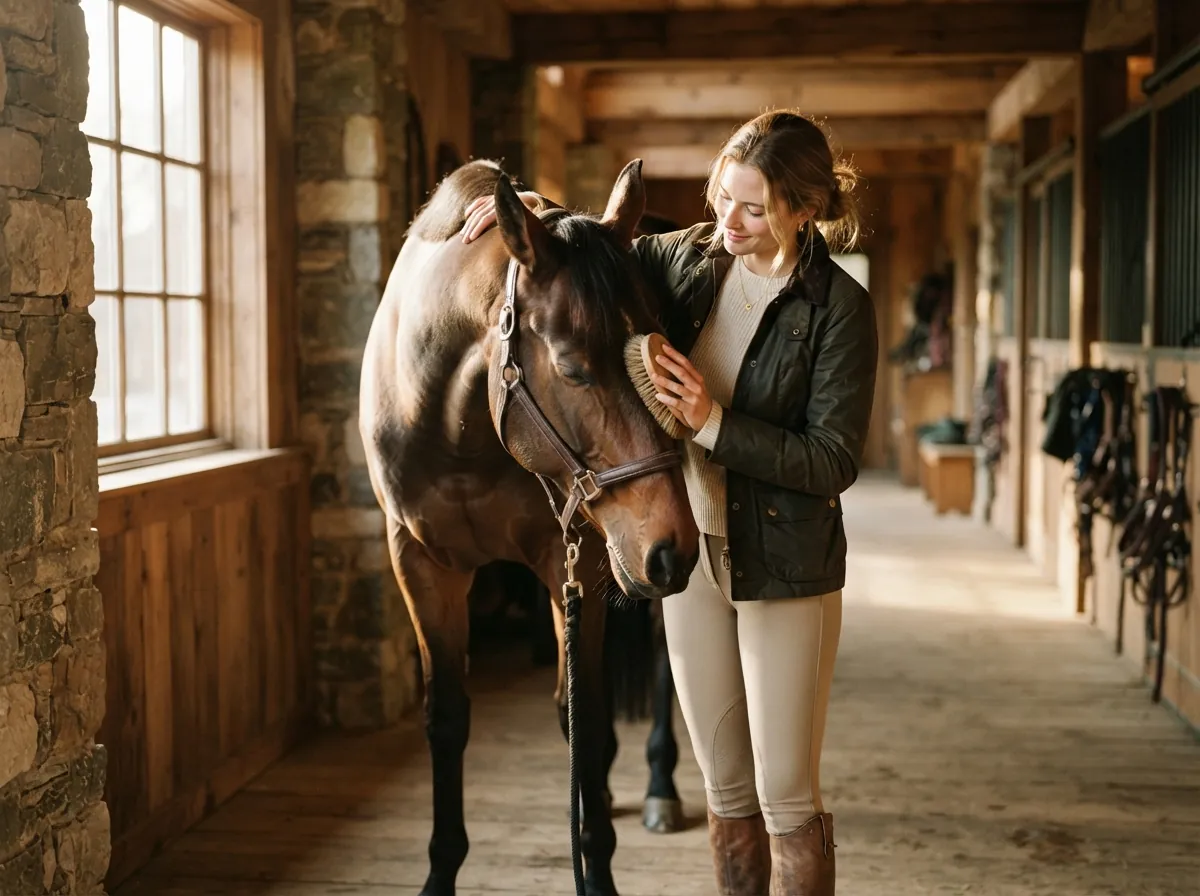
Talent wins ribbons. Temperament wins partnerships.
A horse with the scope to jump 4 feet but the temperament of a firecracker will exhaust most riders long before they reach their potential. A horse with moderate talent and a generous mind will carry its rider further, longer, and more happily.
What 'temperament' really means
Temperament is the combination of a horse's inherent disposition — its baseline calm, curiosity, sensitivity, boldness, tolerance, and sociability. It is partly innate and partly shaped by handling and training, but a horse's core temperament is remarkably consistent. A genuinely quiet horse will be quiet across contexts; a reactive horse will need thoughtful management in every situation.
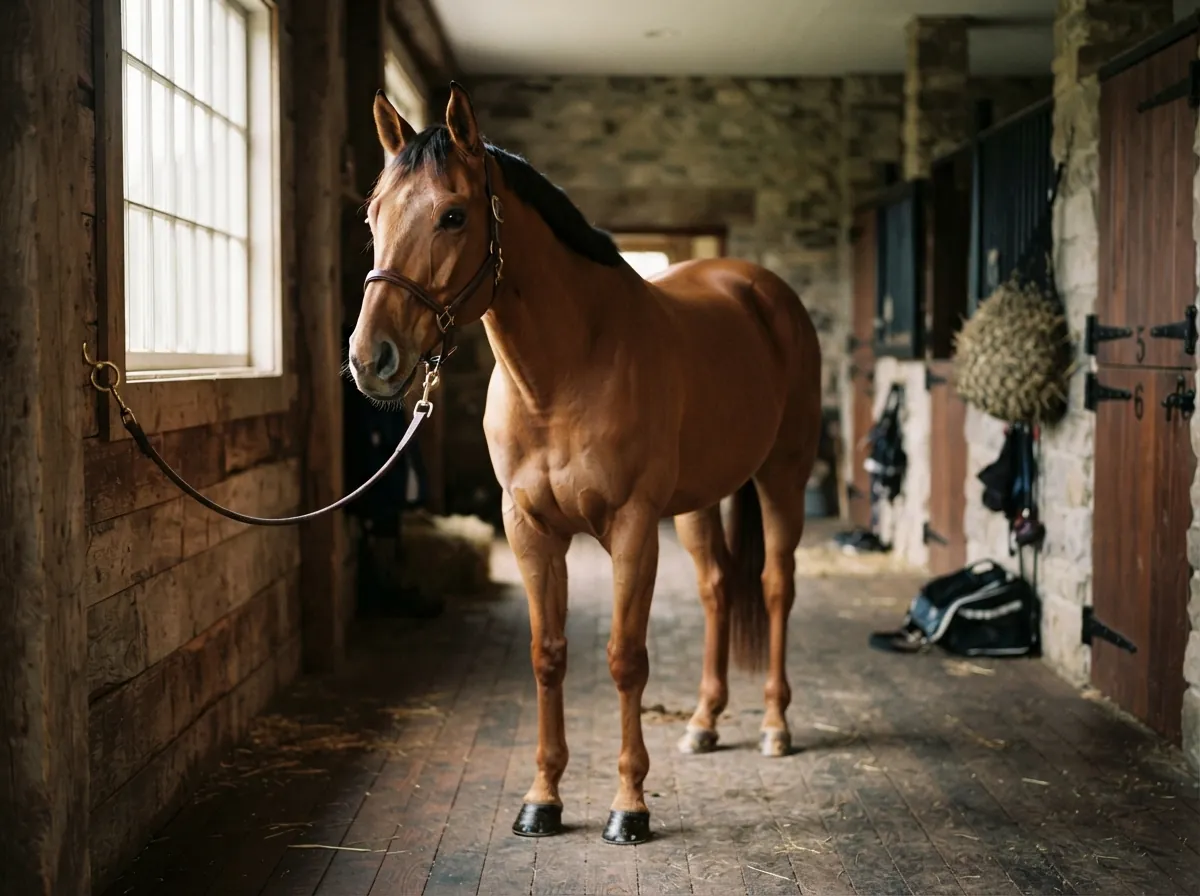
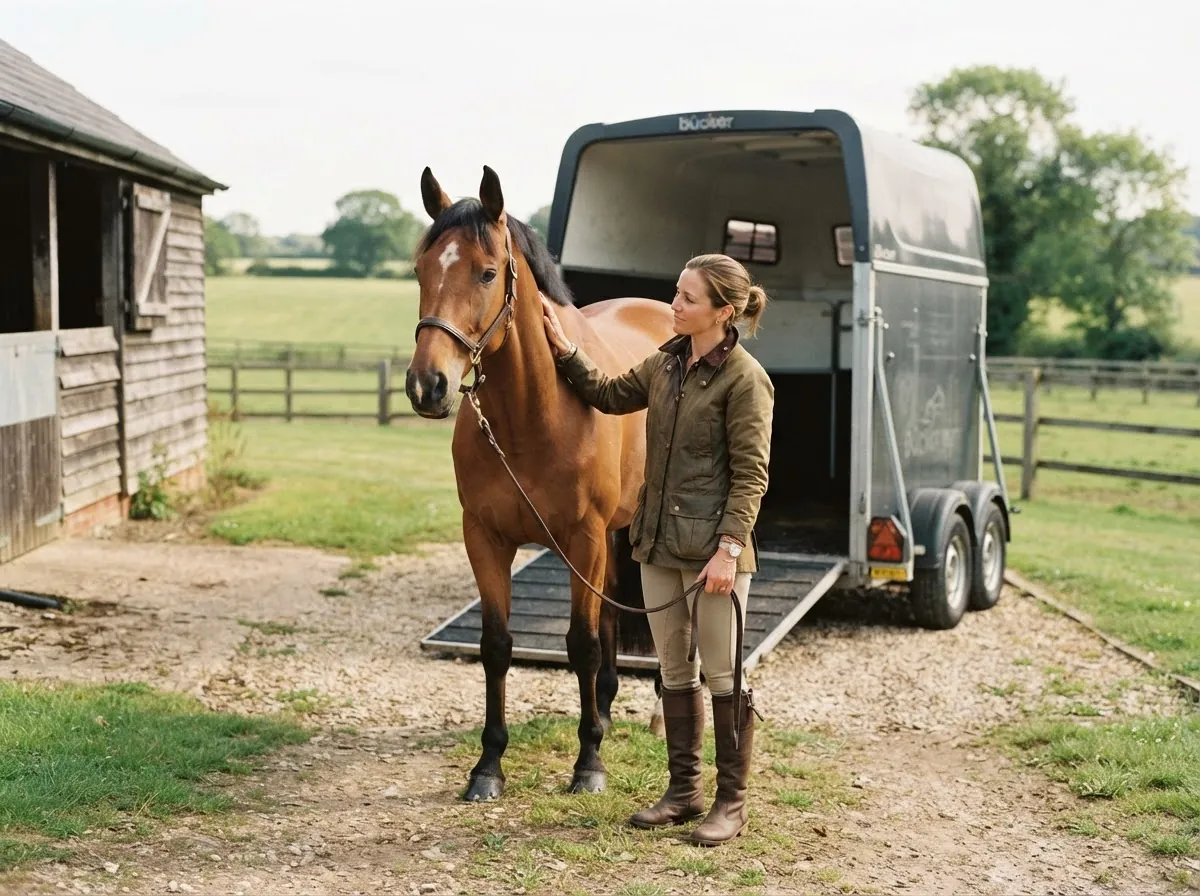
When we evaluate a horse at LoForti Equestrian, we assess temperament in real situations: in the stall, in the cross-ties, being tacked up, walking to the ring, under saddle in a new environment, and after the ride when the work is done. A horse's character shows in the small moments as much as in the work itself.
Rideability: the practical expression of temperament
Rideability is how temperament translates into the riding experience. A rideable horse is one that is adjustable, forgiving of mistakes, responsive without being hot, and willing to work within the rider's ability. It is the quality that determines whether a horse is a pleasure to ride every day or a challenge that demands the rider rise to meet it.
Rideability is what makes a horse suitable for an adult amateur who rides three times a week, or for a junior rider still building their seat. A highly talented horse with poor rideability may be appropriate for a professional — but for most riders, rideability is the quality that defines whether the partnership is joyful or exhausting.
The temperament-talent tradeoff
Every horse represents a balance between talent and temperament. Some horses are extraordinarily talented and also genuinely quiet — these are rare and prized. More commonly, horses that are athletic and bold carry a corresponding sensitivity that requires an educated rider to manage. Understanding where a horse sits on this spectrum is essential to matching horse and rider correctly.
Questions we ask when evaluating temperament
- How does the horse respond to new environments and unfamiliar stimuli?
- Is the horse the same in the ring as it is in the field at home?
- How tolerant is the horse of a rider's errors?
- Does the horse recover quickly from a startle, or hold tension?
- Is the horse genuinely happy in its work, or simply obedient?
- How does the horse behave with farrier, vet, and daily handling?
Why we never hide a horse's character
A horse's limitations are not flaws to be concealed — they are information that helps the right rider make the right decision. If a horse is forward and sensitive, that matters; if it needs consistent turnout, that matters; if it is best suited to a rider with a quiet hand, that matters. Sharing these details openly is how trust is built, and how a horse ends up in the right home rather than the wrong one.
Our approach to temperament evaluation
Every horse we present comes with a temperament profile and suitability guidance based on honest assessment. We match temperament to the rider — not the other way around — because long-term success depends on a partnership that works in both directions.
Frequently asked questions
Can a horse's temperament be changed with training?
A horse's core temperament is largely consistent throughout its life, though training can shape how a horse expresses that temperament. A reactive horse can learn to be more settled with consistent, thoughtful handling — but it will not become a fundamentally different horse. We evaluate the temperament a horse genuinely has, not the one training might theoretically produce.
Is a quiet horse always a better choice?
For most riders, yes — but the right level of energy depends on the rider's experience and goals. A competitive rider may want a horse with more 'engine,' while a first-time owner benefits from genuine quietness. We match temperament to the rider, not to a single ideal.
Looking for your next partner?
Tell us about your riding, goals, and ideal horse. We'll reach out when a suitable match becomes available.