Coggins Test and Horse Health Paperwork: What Every Owner Needs to Know
Learn what a Coggins test is, when you need one, and how to organize all the health documents that travel with a horse — from CVI to vaccination records.
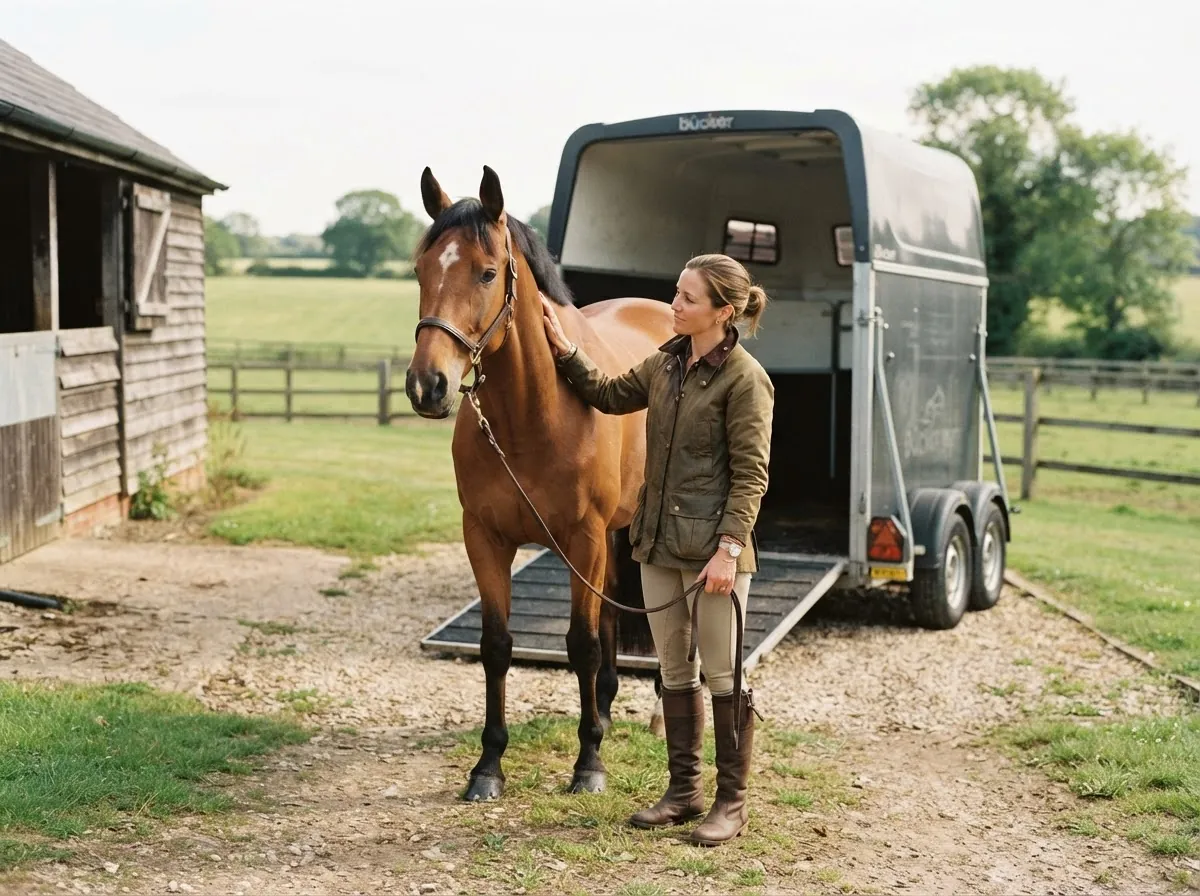
New horse owners encounter a collection of documents quickly: Coggins, health certificate, CVI, vaccination records, registration papers. These terms come up at purchase, at boarding barns, at shows, and every time a horse moves between properties. Understanding what each document is — and why it matters — makes ownership smoother and prevents expensive, stressful surprises at the wrong moment.
This guide explains the most common health documents, how to read and organize them, and what to confirm before a horse ever steps into a trailer. Requirements change, vary by state, and can differ between facilities. Your veterinarian and your state's animal health officials are the authoritative sources for any specific trip or event.
The Coggins Test
What It Is
The Coggins test is a blood test for Equine Infectious Anemia (EIA), a serious viral disease. The test is named after the scientist who developed it. Blood is drawn by an accredited veterinarian, submitted to an approved laboratory, and the result is documented on an official state form. A negative result is what you need for travel and boarding in almost all circumstances.
Why It Is Required
EIA has no cure and no vaccine. A Coggins test identifies horses that carry the virus so they can be managed to protect other horses. Most states require a current negative Coggins for interstate travel. Many also require it for intrastate movement, boarding facility enrollment, shows, clinics, and trail rides on public lands. Some states require it when ownership changes.
Validity periods vary by state — often six or twelve months from the date blood was drawn. Confirm current requirements with your veterinarian well before travel.
Reading a Coggins Form
Forms vary by state and laboratory, but most contain a common set of elements:
Horse identification. Name, age, sex, breed, color, and markings. Many forms include photos or sketches of the horse's markings.
Owner information. Name and address, which should reflect the current owner where required.
Test date. The date the blood sample was collected. Validity is typically measured from this date.
Result. "Negative" is what you need for travel and boarding.
Laboratory and accession number. The approved lab's name and a reference number for the test.
Veterinarian. The accredited veterinarian who collected the sample.
When you receive a Coggins, check that the identification on the form matches the actual horse. Markings, color, and age should be consistent with the animal in front of you.
Health Certificate (CVI)
What It Is
A health certificate — formally called a Certificate of Veterinary Inspection, or CVI — is a document issued by an accredited veterinarian after a physical examination of the horse. It is commonly required when a horse crosses state lines, and some states have extended or passport-style options that allow for longer validity. Health certificates are typically valid for a short window, such as thirty days, though this varies.
When You Need One
Any time you plan to transport a horse across a state line, contact your veterinarian to understand current requirements for both the state of origin and the destination state. Requirements can also vary by the type of event or facility. Schedule the examination far enough in advance to allow for any complications with the paperwork.
Questions to Ask Your Veterinarian
- Does my destination state require a health certificate?
- Are there extended or passport-style options available in my region?
- Are any additional tests or vaccines required by the destination?
- How far ahead should I schedule the exam to ensure the certificate is valid on travel day?
Vaccination and Health Records
A clear vaccination and wellness history helps your veterinarian plan appropriate care and adjust your horse's schedule to the risks in your region. When you purchase a horse, ask the seller for available records and the contact information for the previous veterinarian.
Vaccination history. Helps your vet build an appropriate ongoing schedule for your area.
Dental records. Shows when the horse's teeth were last examined or floated. Dental care is typically recommended annually or more often for some horses.
Parasite control and fecal counts. Guides your veterinarian's parasite management plan. Blanket deworming schedules are largely replaced by fecal egg count-based protocols in current practice.
Farrier notes. Shoeing type, cycle, any special needs or corrective work.
Past treatments or imaging. Context for your veterinarian and for insurance applications, especially for any pre-existing conditions.
Registration and Identification Documents
Registration Papers
If the horse is registered with a breed or sport registry, the seller should have the papers in hand and be able to sign transfer documents at closing. Check that names and numbers on the papers match the horse, and that the correct transfer paperwork is completed before you complete payment.
Microchip and Markings
Note the microchip number if present, along with any brands or tattoos. Photograph both sides of the horse, the face, and notable markings for your own records. These become useful in an emergency or if ownership is ever questioned.
Bill of Sale
A signed bill of sale is proof of ownership. It should include the names of buyer and seller, the date, the purchase price, the horse's identification, and any representations or inclusions agreed upon. Keep the original in a safe place.
Building and Maintaining Your Records Binder
A well-organized horse file prevents a great deal of stress. Keep one physical binder at the barn and one digital copy backed up in the cloud.
What to include in your binder:
- Identification photos and a written description of markings
- Bill of sale and registration transfer
- Current and past Coggins certificates
- Health certificates, filed with travel dates
- Complete vaccination and wellness visit records
- Farrier and dental history
- Insurance policy documents and emergency contacts
Good habits to develop:
- Set calendar reminders for Coggins and vaccine renewal dates before the current ones expire
- Scan every document when you receive it
- Carry copies — paper or digital — whenever traveling
- Update owner information on records after any purchase
- Give your barn manager access to the file, or at minimum to your emergency contacts and the Coggins
Before Any Trip: Confirm Everything
Before any horse steps into a trailer:
- Confirm destination requirements for Coggins and health certificate
- Verify that your current Coggins is still valid on the travel date — not just today
- Confirm that a health certificate is current if the trip crosses a state line
- Check whether the destination facility has any additional requirements or isolation policies
- Put copies of everything in the truck with the driver
Selling or Purchasing a Horse?
LoForti Equestrian provides clear documentation with every transaction and coordinates timing of Coggins and health certificates around purchase and transport so paperwork is ready when the trailer arrives.
Start a no-pressure conversation at lofortiequestrian.com/find-your-horse or call (757) 844-5111.
Related pages: Our Process · Transportation · Delivery · FAQ
This article is provided by LoForti Equestrian LLC for general educational purposes only. It is not veterinary, legal, financial, or insurance advice and does not create any professional relationship. Requirements change; always confirm current rules with your veterinarian, the facility or event, and the relevant state animal health office before travel.
Looking for your next partner?
Tell us about your riding, goals, and ideal horse. We'll reach out when a suitable match becomes available.