How to Choose a Boarding Barn: Questions Every Horse Buyer Should Ask
Choosing a boarding barn is as important as choosing the horse. Evaluate daily care, turnout, safety, facilities, and contracts before you commit.
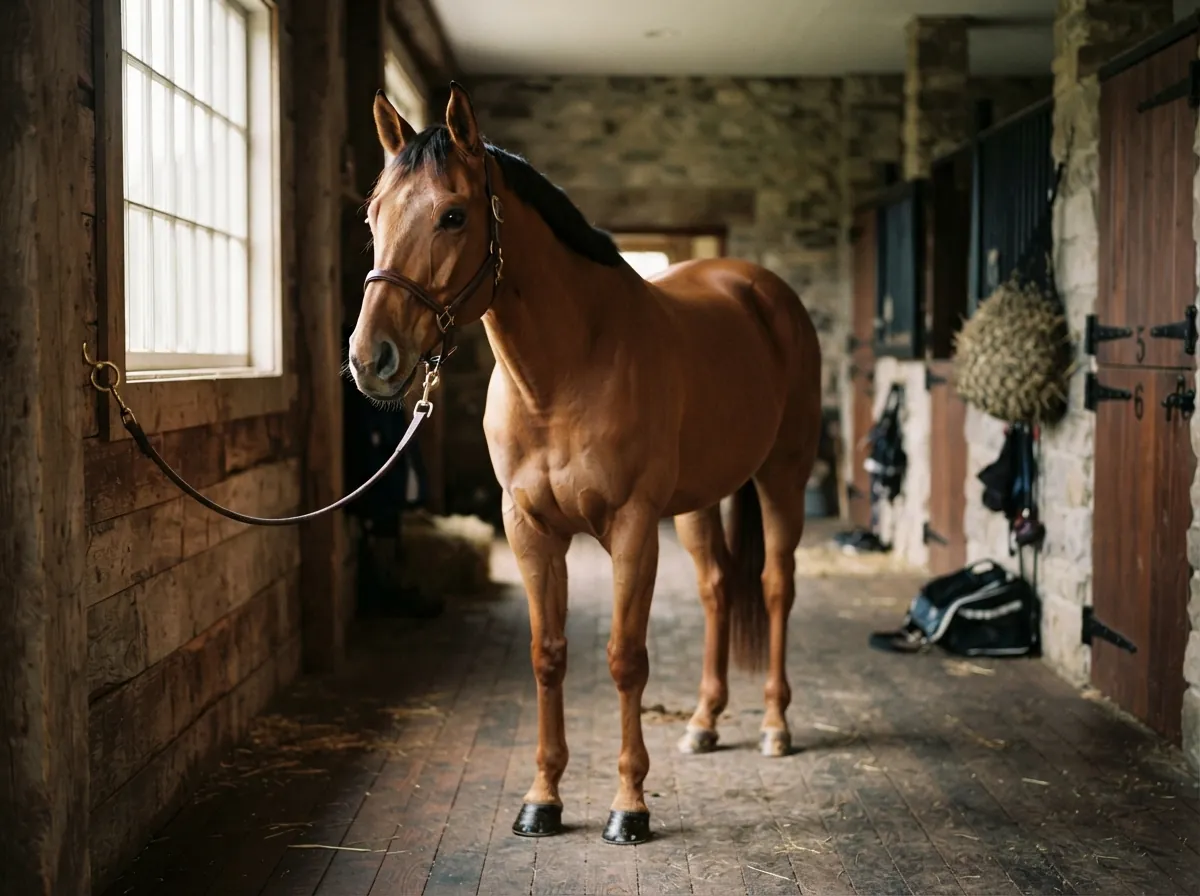
Where your horse lives shapes everything. It determines the quality of daily care, the quality of the footing you ride on, the people who notice small problems early, and the community around you. A great match between horse and rider can struggle in the wrong environment — and a good barn quietly supports that partnership every single day.
Ideally, you choose a barn before you purchase a horse, so your new partner has a prepared, calm place to land when it arrives. Showing up to evaluate a barn with a clear list of questions puts you in a much stronger position than touring a facility on first impression alone.
Visit twice: once when it is scheduled and tidy, and once at a feeding or busy time when you can see how the barn actually runs.
Understanding Board Types
Before you start evaluating individual barns, decide what type of board suits your situation.
Full board typically includes stall, feed, hay, bedding, stall cleaning, and turnout. Many full-board barns also offer blanketing and holding the horse for vet and farrier visits. This is generally the best fit for new owners and busy professionals who are not at the barn every day.
Partial board shares some responsibilities between the barn and the owner. It usually costs less and suits owners who have regular time at the barn and are comfortable handling some care tasks themselves.
Pasture board provides turnout with shelter, hay, and water, with fewer services. It tends to cost less and works well for horses that thrive outdoors and owners managing a tighter budget.
Self-care gives you a space and access to facilities, with the owner providing all daily care. It requires significant experience and a flexible schedule.
Training board includes professional rides or lessons as part of the package. This is a practical option for new partnerships or riders with competitive goals who want consistent professional input on their horse.
Daily Care and Feeding
The daily routine is the backbone of your horse's welfare. Ask specific, detailed questions.
Feeding
How many times a day is feed offered, and at what times? What hay is used, and how much? Is the quality of hay tested or consistent? Can you provide your own grain or supplements if your veterinarian recommends them? How are feed changes communicated to owners when something is adjusted?
Stall and Daily Routine
How often are stalls cleaned and rebedded? Who checks horses at night? How are water buckets and automatic waterers inspected? Is there staff on site at all times, or only during certain hours?
These questions reveal how attentive the barn is to the small details — the ones that catch problems early.
Turnout
Turnout is an important part of most horses' physical and mental health. Understand exactly what the barn provides.
Ask how many hours per day horses go out, and whether that changes significantly with seasons or mud. Ask whether turnout is individual or in groups, and how groups are formed. What happens in bad weather — do horses stay in, or does the barn manage turnout regardless?
Ask about the fencing used and how often it is checked. Walk the fields if you can. Look for safe, well-maintained fencing, shelter in every field, and fresh water.
One meaningful question that good barns answer confidently: how do they introduce a new horse to turnout and to the existing herd? A thoughtful, gradual introduction is a sign of experience.
Health, Safety, and Emergencies
You want to know that your horse is in good hands if something goes wrong.
Ask what vaccines and a current negative Coggins test are required for all horses on the property. Health requirements protect every horse there, not just yours.
Ask for the emergency procedure: Who calls the veterinarian? How are owners reached after hours? Is there a barn veterinarian, or are owners free to use their own? Ask how a sick or injured horse is separated from the others.
Ask about fire safety — extinguishers, smoking policies, how hay is stored, and whether there is a wiring inspection history. Ask whether the barn has trailer and evacuation plans for weather events or other emergencies. These questions matter more in some regions than others, but asking them tells you a great deal about how the facility thinks.
Facilities and Riding
The riding environment affects how much you enjoy the barn and how consistently you use it.
Arenas. What is the footing made of, and how often is it maintained? Is there lighting for evening rides? How are lessons and training rides scheduled relative to open riding time?
Amenities. Is there a wash rack with hot water? How is the tack room secured? Is there trailer parking?
Access. What are the barn hours? Is trail access available? What is the policy on outside trainers — are they allowed to come work with you?
If you have a trainer you work with regularly, confirm that they are welcome before you commit to a facility.
Contracts, Fees, and Culture
Read the boarding agreement before you sign anything, and read every clause. This is a contract.
Understand the monthly rate and exactly what it includes. Ask about extra fees: blanketing, holding the horse for the farrier or vet, shavings above a standard amount, supplement administration, or arena use charges. Find out how much notice is required if you plan to leave, and how rate increases are communicated.
Understand the liability, insurance, and release terms. Ask about the policy for late board payments.
Culture Matters
Beyond logistics, pay attention to how the barn feels. Is it focused on a particular discipline? Are there lesson programs and schooling shows available? How do the barn manager and boarders communicate — is information shared clearly, or do you have to ask repeatedly?
Most importantly: do the horses look content? Healthy weight, relaxed posture, clean coats — horses will show you more than the brochure ever will. Watch how staff handle the horses, and watch how the horses respond to them.
A Side-by-Side Comparison
When you are deciding between two or three barns, compare them on the same factors:
- Monthly cost and what is included
- Turnout hours and arrangement
- Arena quality and maintenance
- Night checks and staffing coverage
- Emergency procedure
- Distance from your home
- Overall atmosphere
The barn that scores best on paper and feels right in person is usually the right answer.
Plan Before the Horse Arrives
Secure your barn spot before you complete a purchase. Ask the barn manager what they need from you regarding health documentation, vaccination requirements, and any isolation period for new arrivals. Share the horse's current routine with the barn so they can prepare a smooth transition.
The more the barn knows before the horse arrives, the calmer arrival day will be.
Ready to Start Your Search?
LoForti Equestrian shares what we know about each horse's current routine and care so you can plan a smooth transition to your barn. If you are beginning a search, start a no-pressure conversation at lofortiequestrian.com/find-your-horse or call (757) 844-5111.
Related pages: Our Process · Delivery · FAQ · Insights
This article is provided by LoForti Equestrian LLC for general educational purposes only. It is not veterinary, legal, financial, or insurance advice and does not create any professional relationship. Always consult a licensed veterinarian, a qualified attorney, an insurance professional, and your trainer for guidance specific to your horse, your location, and your situation.
Looking for your next partner?
Tell us about your riding, goals, and ideal horse. We'll reach out when a suitable match becomes available.