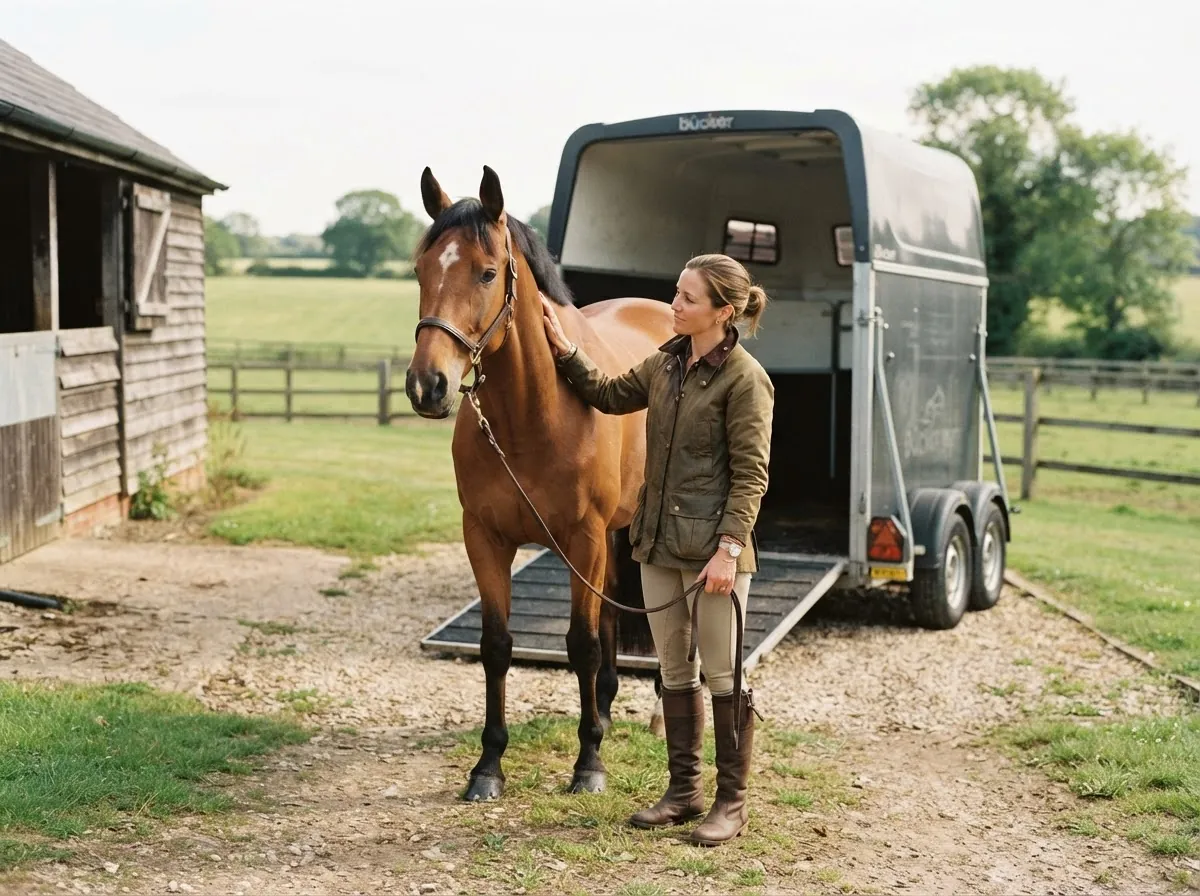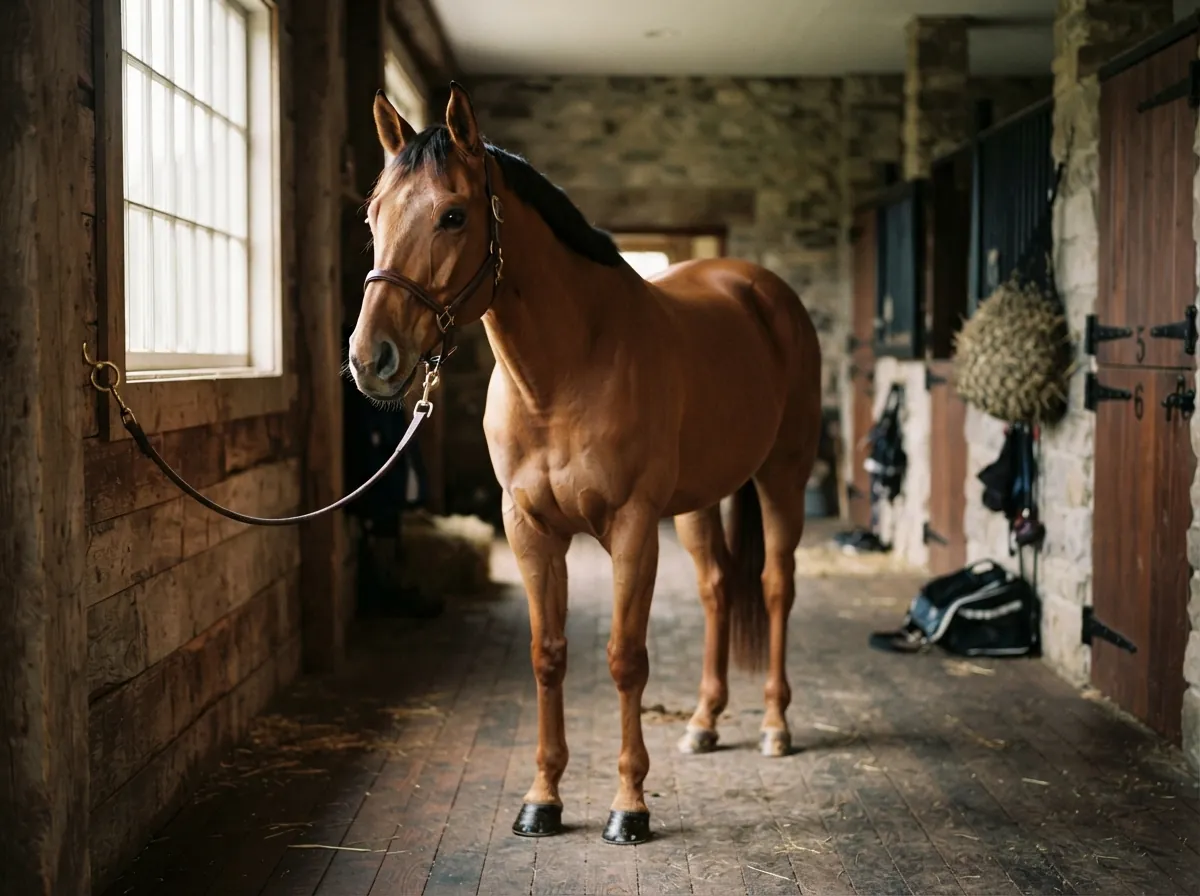
Horse Transport Planning Guide: How to Ship a Horse Safely and Smoothly
Planning to ship a horse? This guide covers choosing a transporter, paperwork requirements, preparing your horse, and what to expect on shipping day.
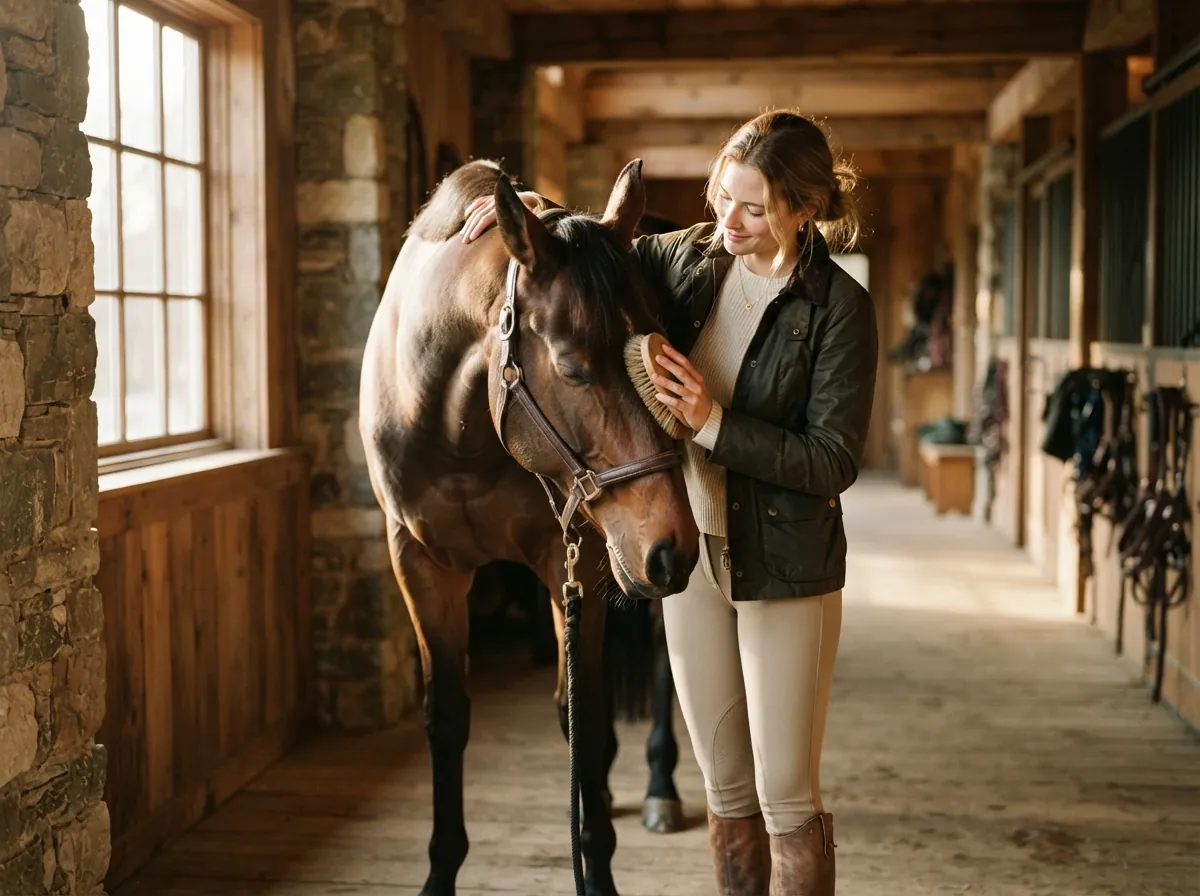
Shipping is often the last step of a purchase — and one that deserves as much care as the search itself. The moment ownership transfers, you are responsible for getting the horse from one barn to the next. Whether that is twenty miles or across several states, the same principles apply: a reputable transporter, correct paperwork, a horse prepared for the trip, and clear communication among seller, buyer, transporter, and receiving barn.
Problems in horse transport usually come from timing. Paperwork that expires before a delayed pickup, a stall that is not ready, or a transporter booked at the last minute can all add stress to an otherwise straightforward handoff. Starting early — ideally before the pre-purchase exam — removes most of those risks.
Choosing How the Horse Travels
There is no single best transport option. The right choice depends on distance, budget, timing, and the horse's travel experience.
Commercial Transporter
A professional company that moves horses as its primary business, often on regular routes between regions.
Commercial transporters typically offer experienced drivers, established safety procedures, and the practical infrastructure for longer trips. Many combine loads, which means the pickup may be a window rather than an exact time. Plan your stall, paperwork, and receiving schedule around that.
Private or Small Hauler
An individual or small operation moving one or a few horses, often more directly and with more flexible scheduling. Fewer horses on the trailer and fewer stops can be advantages for some situations.
Verify the hauler's experience, insurance coverage, and any required operating authority before committing.
Hauling Yourself
Using your own or a borrowed truck and trailer gives you complete control over timing and route. It also requires suitable, well-maintained equipment and genuine experience driving with horses in tow.
Choosing a Transporter
Recommendations from your trainer, barn manager, or veterinarian are a strong starting point. Then ask direct questions of every candidate.
Authority and registration. Commercial carriers moving horses across state lines are generally required to be registered with federal transportation authorities. Ask for their registration details and verify them through official sources.
Insurance. Ask what the transporter carries, what it covers, and what it excludes. Discuss with your own insurer whether the horse is covered while in transit.
Equipment. Ask about the vehicle and trailer: stall configuration, ventilation, padding, and how frequently the equipment is maintained.
Route and stops. How many other horses are on the load? How many stops, and are there overnight layovers? How is water and hay offered along the way?
Communication. How will you receive updates during the trip, and who do you contact if the driver cannot be reached?
Emergencies. What is the procedure if a horse becomes unwell or the vehicle breaks down on the road?
References. A reputable transporter is comfortable sharing references and answering every question you have.
Get everything in writing: price and what it includes, the pickup window, the delivery address, payment terms, cancellation policy, and what happens if there are delays.
Paperwork and Requirements
Requirements differ by state, by destination facility, and sometimes by event. Confirm early and confirm again close to the travel date.
Coggins test. A record of a negative test for Equine Infectious Anemia (EIA), required for interstate and sometimes intrastate travel, as well as by most boarding barns, shows, and clinics. Validity periods vary — often six or twelve months — but confirm current rules with your veterinarian and the destination facility.
Health certificate (CVI). A Certificate of Veterinary Inspection is typically required when a horse crosses state lines. It must be issued by an accredited veterinarian in the state of origin, usually within a limited time window such as thirty days. Schedule the appointment early enough to allow for any complications.
State entry rules. Some states have additional requirements or temporary entry restrictions, particularly during disease events. Your veterinarian and the destination state's animal health officials are the authoritative sources.
Barn requirements. Many facilities require specific vaccinations, current health records, or an isolation period for horses arriving from other properties. Ask the receiving barn manager well in advance.
Ownership papers. Bill of sale, registration papers if applicable, and any transporter-specific paperwork should travel with the horse.
Watch the Timing
Health certificates and Coggins tests are valid only for limited periods. If pickup is delayed, verify that all paperwork will still be current on the actual travel day. Send copies with the transporter and keep copies for yourself. Digital backups are a practical insurance policy.
Preparing the Horse
A horse that loads calmly and travels comfortably is safer and less stressed. Preparation starts days before the trailer arrives, not minutes.
Learn the horse's travel history. Ask the seller how the horse loads, how it behaves during a trip, and whether it has shipped long distances before. Some horses travel better with a companion; ask about that too.
Discuss the trip with your veterinarian. Share the expected distance and duration. Your vet can advise on preparation, hydration, feeding, and anything specific to this horse.
Ask the transporter what to send. Some transporters have preferences about leg protection, blankets, halters, and hay for the road. Follow their guidance.
Use only familiar equipment. Shipping boots, wraps, and head bumpers can help protect a horse in transit, but should only be used if the horse is already comfortable wearing them. Novel equipment on travel day adds one more thing to adjust to.
Keep the routine steady. Avoid significant changes to feed, turnout, or work in the days immediately before travel.
Prepare the receiving barn. The stall should be bedded and ready, with water and hay available and staff aware of the expected arrival window before the trailer pulls in.
A well-fitting leather or breakaway halter with an identification tag is standard for most shipments. Ask your transporter what they recommend.
Shipping Day and Arrival
A calm handoff at pickup and a quiet arrival at the new barn are the goal. Keep the day simple.
At pickup. The horse should be groomed and in its travel gear, with all paperwork, feed instructions, and any personal belongings labeled and ready. Confirm the delivery address and contact numbers with the driver before the trailer moves.
In transit. Keep your phone accessible and expect updates as agreed. Let the receiving barn know if the arrival window changes.
On arrival. Lead the horse to its stall or a small, safe paddock with water and hay. Receive any paperwork that traveled with it and note the arrival time.
First hours. Watch how the horse eats, drinks, produces manure, and holds itself. A long trip can be tiring. If anything about the horse's condition, appetite, or behavior concerns you after arrival, contact your veterinarian promptly rather than waiting to see.
First days. Follow the barn's isolation guidance and give the horse time to rest and adjust before returning to regular work.
If Plans Change
Delays happen — weather, mechanical issues, other horses on a shared load. Keep the receiving barn informed, and recheck that all paperwork remains current if travel moves by more than a day or two.
Planning a Purchase That Includes Transport?
LoForti Equestrian offers private transport for owners in Virginia, North Carolina, Maryland, and West Virginia, starting at $3.00/mile. We also help buyers think through timing and paperwork as part of every purchase.
Start a no-pressure conversation at lofortiequestrian.com/find-your-horse, learn more at lofortiequestrian.com/transportation, or call (757) 844-5111.
Related pages: Transportation · Delivery · Our Process · FAQ
This article is provided by LoForti Equestrian LLC for general educational purposes only. It is not veterinary, legal, financial, or insurance advice and does not create any professional relationship. Always consult a licensed veterinarian, a qualified attorney, an insurance professional, and your trainer for guidance specific to your horse, your location, and your situation.
Looking for your next partner?
Tell us about your riding, goals, and ideal horse. We'll reach out when a suitable match becomes available.