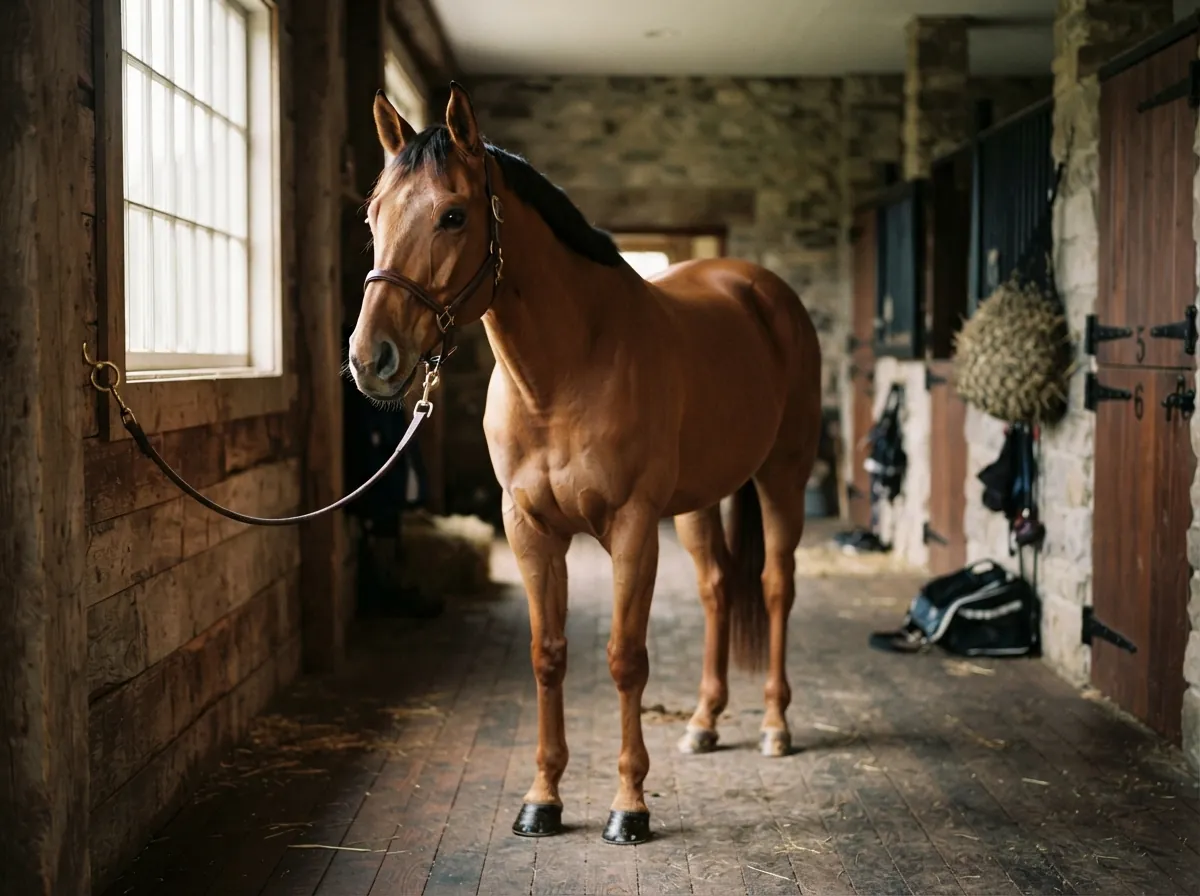
How Much Does a Horse Cost Per Year? A Realistic Breakdown for Buyers
Find out how much a horse really costs per year. This guide breaks down board, farrier, vet, insurance, and more — with a worksheet to plan your budget.

The purchase price of a horse gets most of the attention. Experienced owners know it deserves the least.
Over the first few years of ownership, the recurring cost of keeping a horse healthy, fit, and in work almost always exceeds what was paid to acquire it. New buyers who plan only for the purchase price often find themselves scrambling six months in. This guide walks through both columns — the one-time costs of acquisition and the ongoing annual costs of ownership — so you can make a financially sound decision before you start shopping.
The Two Columns of Horse Ownership Costs
Think about horse ownership in two separate categories.
One-time costs include the purchase price, the pre-purchase exam, transport to your barn, initial tack and saddle fitting, and starter supplies like grooming tools, blankets, and first-aid basics.
Recurring costs include board or home-keeping expenses, feed and hay, farrier visits, routine veterinary and dental care, insurance, lessons or training, and the inevitable replacements and unexpected expenses that come with any living animal.
Both columns matter, and you need a realistic estimate of both before you commit.
One-Time Purchase Costs
The Purchase Price
Purchase prices vary enormously based on training level, age, competitive record, discipline, soundness, and regional market conditions. There is no universal number that applies to every horse in every area. Research comparable horses in your region and involve your trainer before settling on a budget.
Pre-Purchase Exam
A basic examination by an independent veterinarian — one who works for you, not the seller — runs from several hundred to a few thousand dollars, depending on the scope of the exam. Adding radiographs, ultrasound, or bloodwork increases the cost. Do not skip this step to save money; the information it provides is worth far more than the exam fee.
Transport
Local pickup can be relatively modest. Long-distance shipping across several states can be significant, depending on distance, the shipping company, whether the load is shared or dedicated, and any layovers. Get at least two quotes before booking, and factor transport into your total acquisition budget.
Saddle, Tack, and Starter Supplies
New tack can run from hundreds to several thousand dollars, depending on discipline and quality. A professional saddle fitting is important both at purchase and whenever the horse's body changes. Add a grooming kit, blankets appropriate to your climate, buckets, and first-aid supplies to your initial estimate.
Annual Recurring Costs
Board
For most horse owners, board is the largest monthly expense. What you pay depends almost entirely on where you live and what type of board you choose.
Full board — which typically includes stall, hay, grain, bedding, stall cleaning, and turnout — tends to cost more and offers the most care. Partial board, pasture board, and self-care arrangements reduce the cost by shifting more work to the owner. Training board, which includes professional rides or lessons, is at the higher end but can make sense for new partnerships.
Illustrative annual ranges vary widely: pasture board at the low end of regional markets can run roughly a few thousand dollars per year; full-service show barn board can run substantially more. Ask specifically what is included, what costs extra, and how often rates are reviewed.
Feed and Hay
If feed is not included in your board, plan separately for hay and grain. Forage is the foundation of most horses' diets, and hay prices swing with the season and regional weather. Supplements add up quickly and should only be changed with veterinary or nutritional guidance.
Farrier
Most horses need the farrier every five to eight weeks. Barefoot trims cost less than a full set of shoes; specialty shoeing costs more. Lost shoes and emergency resets happen. When you add up the cycles over a full year, farrier care is a consistent and meaningful expense.
Routine Veterinary and Dental Care
A wellness visit once or twice a year, vaccinations on your vet's recommended schedule, annual Coggins testing, dental care, and fecal parasite testing are the baseline for most horses. Farm-call fees may apply on top of procedure costs. Discuss a realistic annual estimate with the veterinarian who serves your barn.
Insurance
Insurance premiums vary with the insured value of the horse and the type of coverage you carry. Mortality coverage alone is often quoted as a percentage of the horse's value. Major medical or surgical coverage adds to that. Factor insurance into your annual budget and decide on your plan before you need it.
Lessons and Training
Weekly lessons keep a partnership moving in the right direction. Trainer rides help maintain a horse's consistency through transitions. Showing adds entry fees, hauling costs, and stabling expenses at events. Decide what level of instruction and competition you plan for, and budget accordingly — this line item varies more than any other.
Miscellaneous and Replacements
Blankets tear. Stirrup leathers wear out. Supplements change. Emergency supplies need restocking. Budget a cushion each year for the things you cannot predict.
Building an Emergency Fund
Emergency veterinary care — colic treatment, wound care, sudden lameness — can cost thousands of dollars. Surgical care can cost significantly more. Many experienced owners maintain a dedicated emergency fund alongside their regular budget, carry major medical insurance, or both. Decide your plan for this before you need it, not after.
Three Budget Profiles (Illustrative Only)
Pleasure and trail rider. Pasture or partial board, barefoot trims, occasional lessons. Costs at the lower end of the spectrum.
Active amateur. Full board, weekly lessons, some local shows. A moderate annual budget.
Competitive program. Training board, regular showing, specialized shoeing. Costs at the higher end.
These profiles are illustrative only. Your numbers will differ by region, facility, discipline, and the individual horse.
Smart Cost Management
A few habits that experienced owners rely on:
- Lease before you buy to test your real monthly cash flow
- Choose a board type that honestly matches your time and schedule
- Invest in preventive care — routine wellness is usually cheaper than treatment
- Buy quality used tack and have it professionally fitted
- Review your budget every quarter and adjust before small gaps become big ones
A Worksheet Approach
Build your own annual budget before you shop. List every category — board, feed, farrier, routine vet, insurance, lessons, shows, tack, and emergency fund — and fill in local quotes. Then add a cushion of ten to twenty percent on top of your estimates. Costs almost always run higher than initial projections.
Compare your estimates with actual spending each quarter. Small adjustments early are far easier than large corrections later.
Ready to Talk About What Fits Your Life?
LoForti Equestrian helps buyers think honestly about what they can comfortably sustain. A horse should fit your budget as well as it fits your riding goals.
Start a no-pressure conversation at lofortiequestrian.com/find-your-horse or call (757) 844-5111.
Related pages: Our Process · FAQ · Insights
This article is provided by LoForti Equestrian LLC for general educational purposes only. It is not veterinary, legal, financial, or insurance advice and does not create any professional relationship. Always consult a licensed veterinarian, a qualified attorney, an insurance professional, and your trainer for guidance specific to your horse, your location, and your situation. Cost figures are broad educational estimates; actual costs vary widely by region, facility, and horse.
Looking for your next partner?
Tell us about your riding, goals, and ideal horse. We'll reach out when a suitable match becomes available.