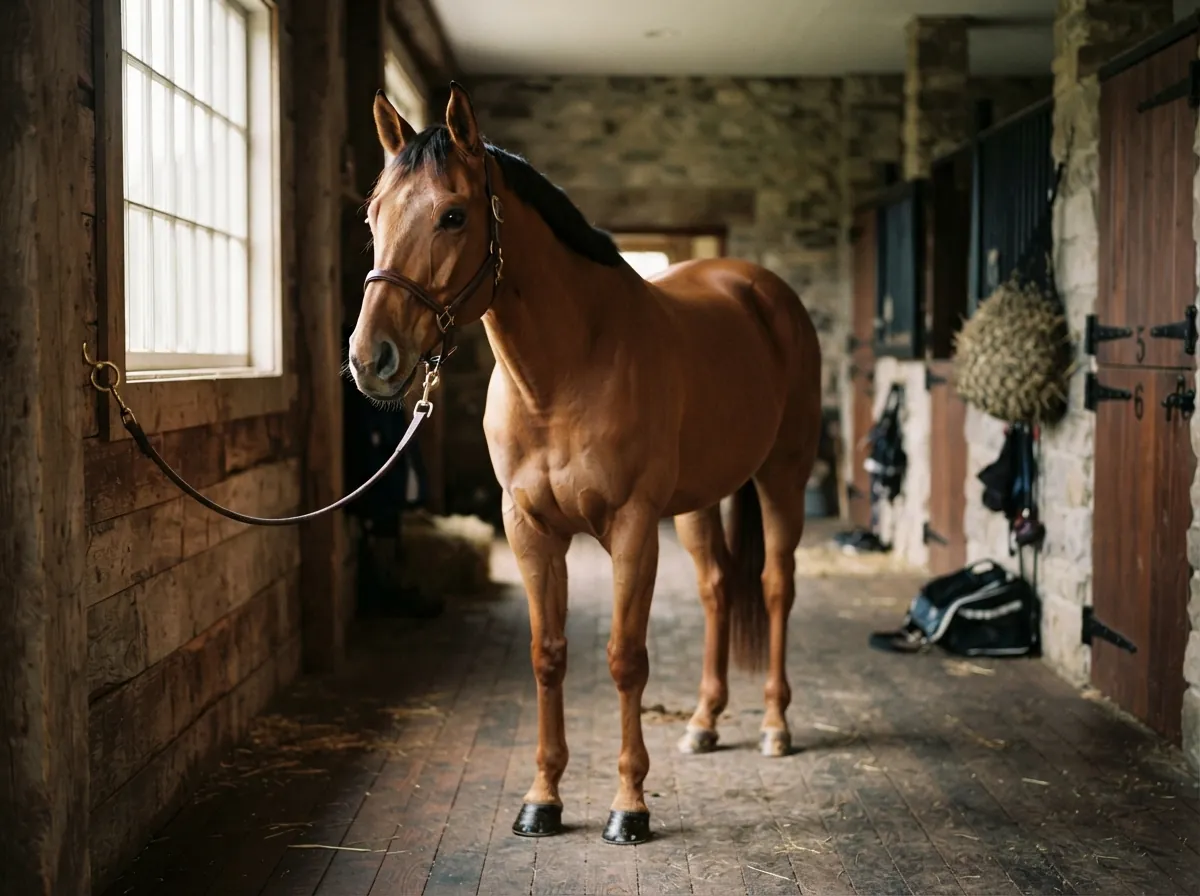
25 Questions to Ask Before You Buy a Horse
Buying a horse? Ask these 25 questions about health, history, temperament, training and paperwork before you commit, so there are fewer surprises later.
A horse can look perfect in photos and still be the wrong fit. The best protection is a good list of questions, asked early and asked plainly. A seller who answers openly is a good sign. A seller who dodges is telling you something too.
Print this list, take notes during each call or visit, and compare answers across horses.
Health and soundness
1. Has the horse had any lameness, injuries or surgeries? Ask when, what happened and how it was treated.
2. Is the horse on any medication or supplements right now? Ask why, and whether it's ongoing.
3. When were the last vet visit, vaccines, dental work and deworming? Ask whether records are available.
4. Any history of colic, tying up, allergies or breathing issues?
5. Can my own vet do a pre-purchase exam? A seller who welcomes an independent exam is a good sign. Our pre-purchase exam checklist walks through what that exam usually covers.
History and background
6. How long have you owned the horse, and why are you selling?
7. Where did the horse come from before you?
8. What has the horse been used for? Trail, shows, a school-horse program, ranch work, or mostly turnout.
9. Has the horse been off work for any long stretch? Ask why.
Temperament and behavior
10. How does the horse act with other horses in turnout?
11. Any vices? Cribbing, weaving, stall walking, kicking or biting.
12. How is the horse for the farrier, the vet, clipping and bathing?
13. Does the horse load and trailer calmly?
14. Has the horse ever bucked, reared or bolted? Ask what triggered it and how often.
15. Who has ridden the horse recently, and at what level? A horse that's quiet for a professional may act differently with a newer rider. Our guide on what "beginner safe" really means explains why.
Training and riding
16. What does the horse know right now? Gaits, leads, lateral work, jumping height, trail obstacles.
17. How often is the horse ridden, and by whom?
18. Can I see the horse caught, groomed, tacked up and ridden before I get on?
19. Can I come back for a second ride, or bring my trainer? If you work with a trainer, their opinion is worth having before you decide.
Care, tack and daily routine
20. What does the horse eat, and how much? Any special feeding needs.
21. What's the horse's shoeing or trimming schedule?
22. Does any tack or equipment come with the horse?
23. What does a normal day look like? Stall, turnout, or a mix.
Paperwork and the sale itself
24. Are registration papers, a current negative Coggins test and health records available? Requirements for moving a horse between states vary, so check before purchase.
25. What are the payment terms, and what happens if the horse doesn't pass the vet exam? Get the terms in writing, including any trial period, deposit and who pays for transport.
Red flags to watch for
- Answers that change between calls.
- Pressure to decide fast or skip a vet exam.
- The horse is already tacked up and sweaty when you arrive, so you can't see how it acts fresh.
- No records at all, with no explanation.
None of these automatically means "walk away," but each one deserves a follow-up question.
After you have your answers
Line up the answers against what you actually need: your riding level, your goals, your budget and your setup at home. Our guide to the yearly cost of owning a horse can help with the budget side.
If you'd rather not do all of this alone, LoForti Equestrian helps buyers find and evaluate horses across Virginia, North Carolina, Maryland and West Virginia. You can see how our process works, and delivery can be coordinated as part of a sale (how delivery works). When you're ready, tell us what you're looking for.
General information only, not veterinary or legal advice. Talk with your own vet about any horse's health.
Frequently asked questions
What is the most important question to ask when buying a horse?
There isn't just one, but "Can my own vet do a pre-purchase exam?" matters a lot. An independent exam gives you information that doesn't come from the seller.
Should I ride a horse before buying it?
Yes, if you can. Watch someone else ride first, then ride yourself, and ask whether you can come back a second time.
What paperwork should come with a horse?
Commonly a bill of sale, registration papers if the horse is registered, a current negative Coggins test, and health and vaccine records. Requirements vary by state, so check what applies where the horse is going.
Is it okay to bring my trainer to see a horse?
Yes. A trainer who knows your riding can help you judge fit. Ask the seller ahead of time so they expect you.
How many horses should I look at before buying?
There's no set number. Looking at a few helps you compare temperament, training and price, and makes it easier to spot a good fit.
Looking for your next partner?
Tell us about your riding, goals, and ideal horse. We'll reach out when a suitable match becomes available.
Keep Reading